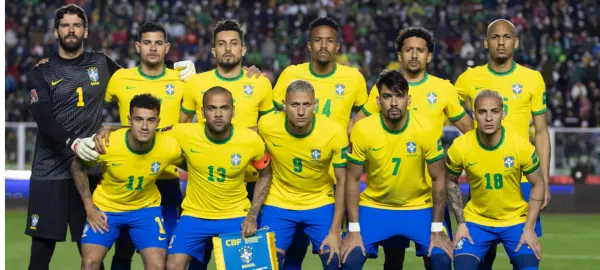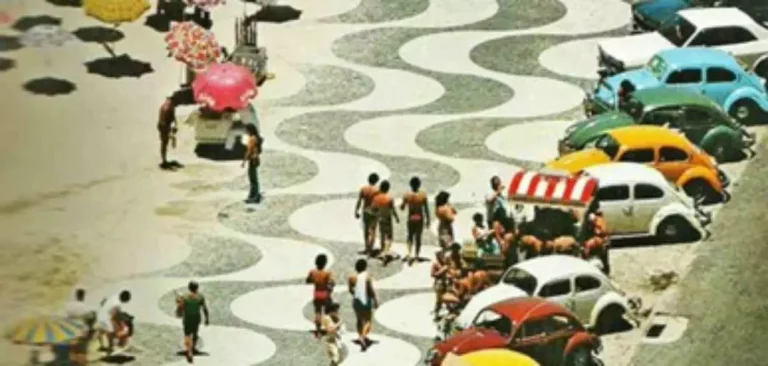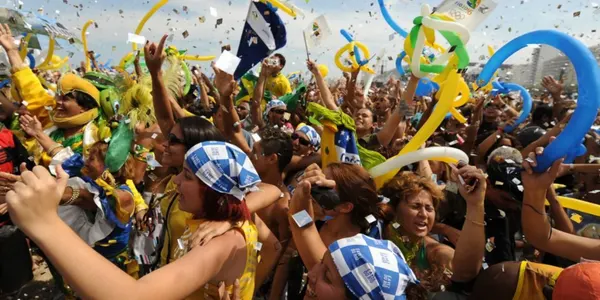

It’s no wonder Brazil is called “the country of football,” or “o país do futebol.” Football is much more than a sport in Brazil; it’s part of the country’s identity. For generations, football has connected people from different social classes, regions, and backgrounds through the same passion.
Writers like Nelson Rodrigues helped explain this emotional relationship between Brazilians and football. One of the most influential columnists and playwrights in Brazilian history, Rodrigues described football as something much bigger than the game itself, transforming it into a dramatic and cultural theme inside Brazilian society.
The Trauma of 1950 (The Loss to Uruguay)
One of the most important moments in Brazilian football culture happened during the 1950 World Cup, when Brazil lost to Uruguay at the Maracanã Stadium despite being heavily favored to win the tournament on home soil. The defeat became one of the biggest emotional traumas in Brazilian history.
After the loss, Nelson Rodrigues popularized the term “complexo de vira-latas,” an expression still used in Brazil today to describe an inferiority complex. Rodrigues believed Brazilians carried a feeling of insecurity compared to other nations and that football could help rebuild the country’s self-esteem.
While Nelson Rodrigues played an important role in shaping Brazil’s cultural relationship with football, his legacy is also debated today because of the misogynistic and highly provocative elements present in many of his works.
Before Pelé, There Was Garrincha
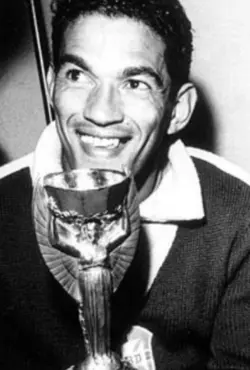
Before Pelé became the face of Brazilian football, Garrincha had already become one of the country’s biggest stars while playing for Botafogo in Rio de Janeiro. Together, Pelé and Garrincha formed one of the most legendary duos in football history and helped Brazil win its first World Cup in 1958.
Interesting fact:
Brazil never lost a match when Pelé and Garrincha played together for the national team.
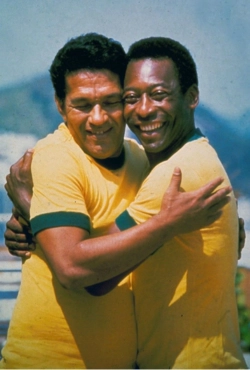
Garrincha became much more than a football player in Brazil, he became a popular hero and one of the greatest symbols of Brazilian joy. Coming from a poor background and born with physical deformities in his legs, he was never expected to become a global star, making his rise even more emotional for Brazilians.
His style of football felt free and connected to Brazilian culture itself. At the same time, Garrincha’s personal life was marked by alcoholism and financial struggles. For many Brazilians, he represented both the beauty and the sadness of the country, showing that even through hardship, Brazilians still find ways to celebrate life.
Pelé and the Victory That Changed Brazil
Pelé’s emergence during the 1958 World Cup changed the way Brazil saw itself. At only 17 years old, he became one of the stars of the tournament and helped Brazil secure its first World Cup title.
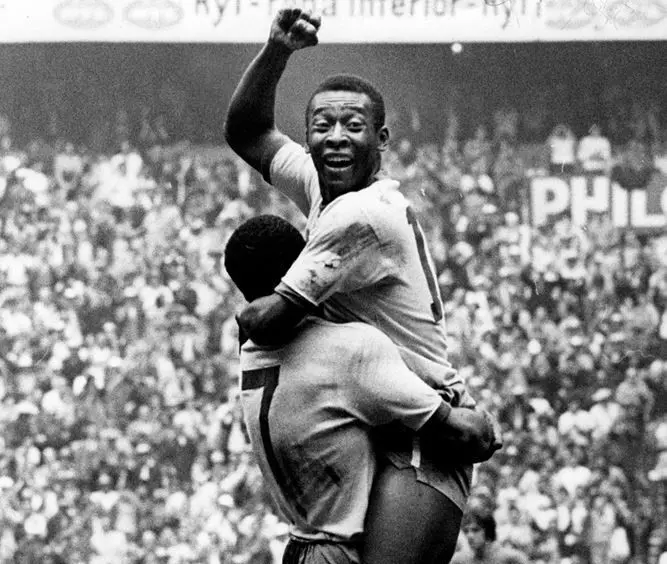
That victory carried enormous emotional importance because it came only eight years after the painful defeat to Uruguay in 1950. The World Cup victory gave Brazilians a new sense of pride.
The Brazilian style of football, known for creativity and technical skill, started to be admired around the world, helping establish Brazil’s global identity as “the country of football.”
How Radio and Television Helped Football Grow
Around the same time, football also helped popularize radio across Brazil. Because the country was so large and socially unequal, radio allowed rich and poor people, rural communities, and big cities to experience matches together at the same time.
During Brazil’s military dictatorship in the 1970s, football became even more present in everyday life through television broadcasts and patriotic campaigns. The 1970 World Cup victory was heavily used by the regime as a symbol of national unity, especially through the famous slogan and song “Pra Frente Brasil” (“Forward Brazil”).
Even today, many Brazilians associate that period with the growth of football culture on television and the emotional idea of the country celebrating together.
Why Brazilians Still Love Football So Much
That history is exactly why football still feels different in Brazil today.
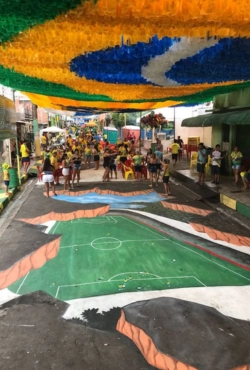
For many Brazilians, the World Cup is deeply connected to memory and family. People remember watching matches with parents, grandparents, neighbors, and friends, hearing fireworks after goals, seeing streets painted in green and yellow, or gathering around televisions during important matches.
These emotional memories are passed from generation to generation, turning football into something huge for us. The passion Brazilians feel today was built through decades of historic victories, painful defeats, legendary players, and collective celebration.
For those who want to experience Brazil beyond football and the World Cup, language makes the difference. At Caminhos Language Centre, you’ll learn real Portuguese while experiencing Brazilian culture, community, and lifestyle in one of the world’s most beautiful cities.
We offer a wide variety of Portuguese courses year-round across 12 levels, as well as student visa support and different accommodation options to make your stay in Rio de Janeiro easier and more comfortable. Students also enjoy free daily activities throughout the city to keep practicing beyond the classroom.
Follow us on Instagram for Portuguese tips, Brazilian culture, student experiences, and daily life in Rio.